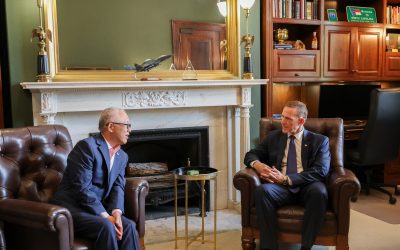


Washington, D.C. — U.S. Senator Ted Budd (R-N.C.), Member of the Senate Select Committee on Intelligence,released the following statement after the release of the Intelligence Authorization Act for Fiscal Year 2026 (IAA).
“I was proud to support the Intelligence Authorization Act, my first since joining the Intelligence Committee earlier this year,” said Sen. Budd. “This important legislation ensures our Intelligence Community has the resources and flexibility needed to keep Americans safe from foreign threats. I am especially proud of the reforms made to the Office of the Director of National Intelligence to improve the agency’s efficiency by reducing its increasingly bloated bureaucracy. The Intelligence Authorization Act also supports policy priorities in my work on the Commerce and Armed Services Committees, including preserving key spectrum bands used by the Intelligence Community, improving access to artificial intelligence, protecting Americans’ privacy, and ensuring key facilities are protected from emerging technological threats.”
The Intelligence Authorization Act includes several policy priorities Sen. Budd has championed in his new role on the Intelligence Committee, including:
- Reducing bureaucratic red tape to return the Office of the Director of National Intelligence (ODNI) to its original size, scope, and mission.
- Earlier this Congress, Sen. Budd joined Chairman Tom Cotton (R-Ark.), and Senators Jim Risch (R-Idaho), Mike Rounds (R-S.D.), and James Lankford (R-Okla.) in introducing the Intelligence Community Efficiency and Effectiveness Act.
- Improving the Intelligence Community’s AI capabilities by establishing new guidelines for procuring and using AI.
- Preserving spectrum bands used by the Intelligence Community by clarifying agencies’ eligibility under the Spectrum Relocation Fund.
- Protecting Americans’ personal privacy by requiring new procedures for sharing information about U.S. identities and preventing the Department of Homeland Security’s Office of Intelligence and Analysis from collecting intelligence on American citizens.
- Creating additional review processes for foreign purchases of U.S. land near facilities used by Intelligence Communities to protect against potential hostile drone attacks.
Learn more about the Intelligence Authorization Act for Fiscal Year 2026 HERE.
###